A platform showcases energy-efficient design approaches that balance long-term environmental impact for a Better buildings consume less energy and create healthier spaces.
[ est. 2018 ]
approach
Thermal Insulation Systems
Passive Ventilation
Smart Climate Control
Thermal Insulation Systems
Lifecycle Thinking
energy efficiency
[ A clear pathway to low-energy performance ]
Energy Modeling & Simulation
Early-stage simulations predict how the building will behave across seasons, allowing design decisions to reduce energy demand before construction begins.
Building Envelope Optimization
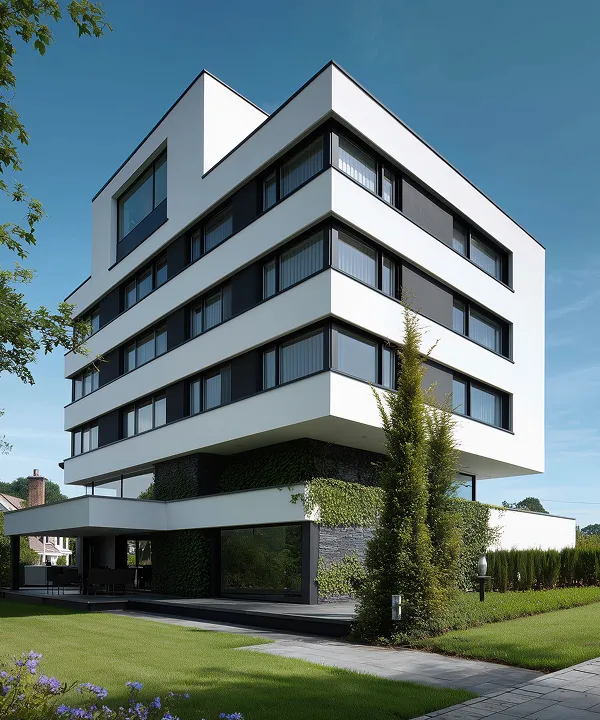
The building envelope walls, roofs, and facades is designed to manage heat gain, heat loss, and daylight, acting as a critical layer that stabilizes indoor comfort and lowers reliance on mechanical systems.
Passive Design Strategies
Careful consideration of orientation, shading, cross-ventilation, and massing allows buildings to maintain comfort while relying less on mechanical systems.
Smart Systems Integration
Through automated lighting, HVAC controls, and responsive sensors, buildings adjust energy use in real time, ensuring efficiency without compromising performance.
“This project proves that energy-efficient buildings can be both practical and elegant, balancing performance-driven design with a refined architectural presence.”
Maria Kusuma
5.0
[ community voices ]
“Performance modeling reshaped how we approached design, giving us the confidence to make decisions backed by real performance data rather than assumptions.”
Andri Saputra
5.0
[ community voices ]
“Energy efficiency became a tangible asset. The savings were immediate, but the building’s comfort made the biggest impact.”
DANIEL WIJAYA
5.0
[ Greener Cities, Measurable Change ]
[ Greener Cities, Measurable Change ]
Lower Operational Carbon Emissions
6
5
4
3
2
1
0
1
2
3
4
5
%
KEEP SCROLLING
Smarter buildings for a changing climate
By reducing demand before increasing supply, we create architecture that supports both environmental responsibility and long-term value.



.svg)
.svg)
.svg)
.svg)
.svg)
.svg)










.webp)






.svg)