.svg)

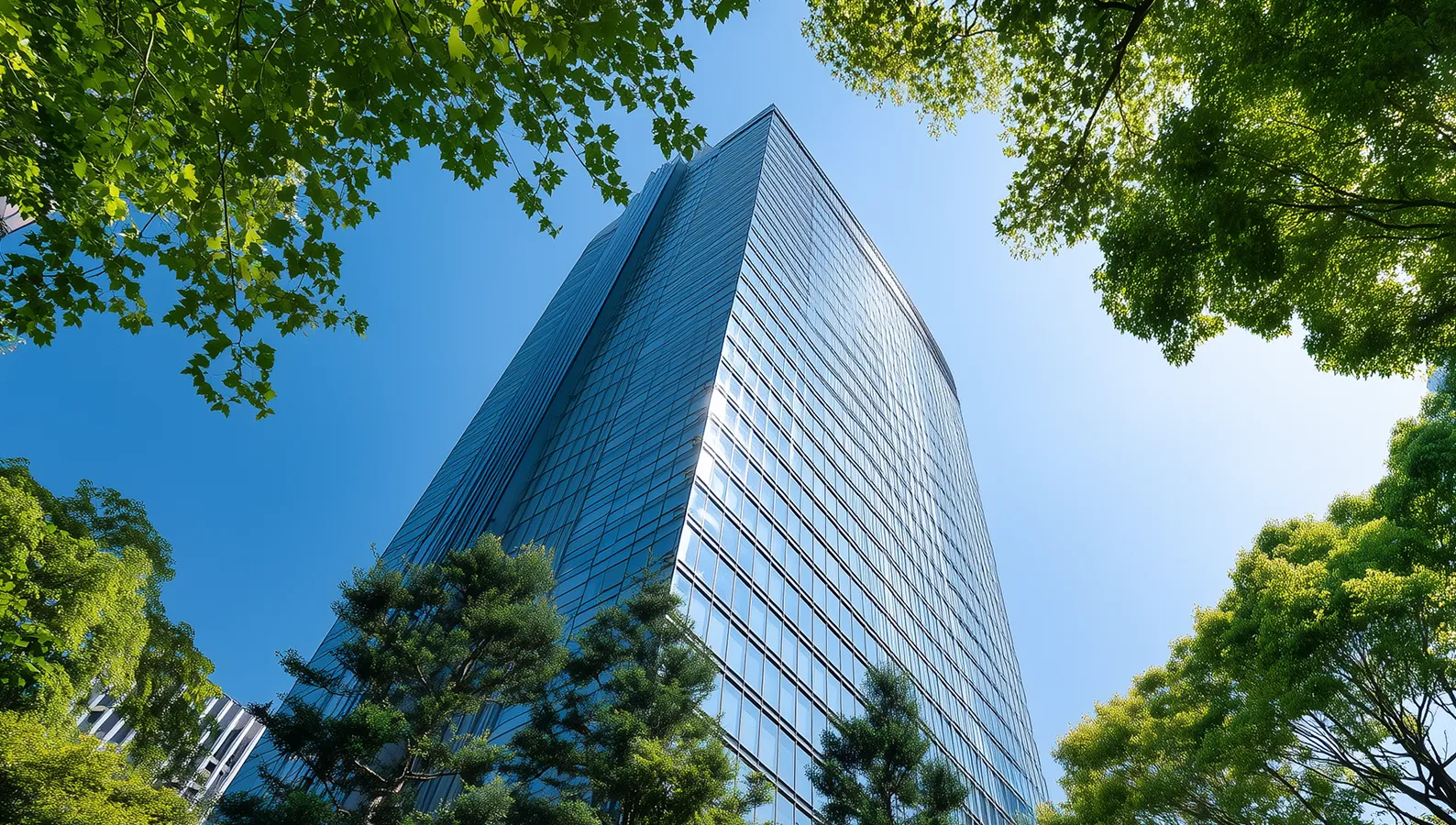
Located in Harbour Land’s warm, humid climate, the school required a design approach that addressed both comfort and energy performance. The intent was to create classrooms that remain cool, well-lit, and comfortable throughout the school day, reducing dependence on mechanical systems while supporting student concentration and well-being.
Classroom orientation and building massing were carefully planned to maximize natural daylight while minimizing glare and heat gain. Shading elements and roof overhangs protect interiors from direct sun, allowing consistent daylight levels without increasing cooling demand.
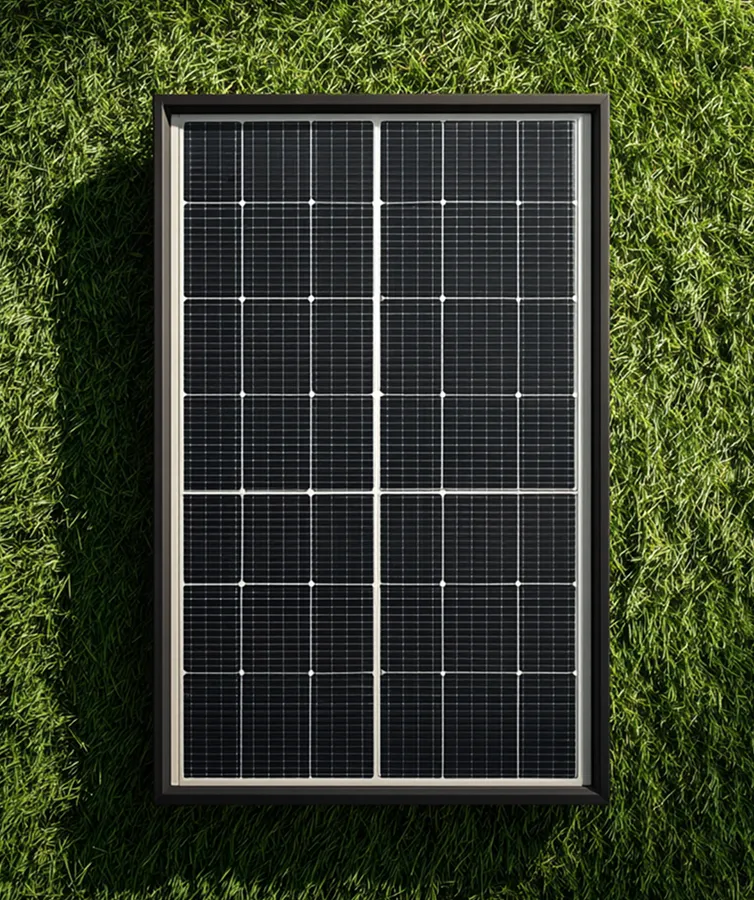

By reducing reliance on artificial lighting and mechanical cooling, the school significantly lowers operational energy consumption. Efficient lighting systems and ceiling fans are used selectively, supporting comfort only when natural strategies are insufficient. The result is a building that operates quietly and efficiently, allowing students and teachers to focus on learning rather than environmental discomfort.
The project achieved meaningful environmental and human-centered outcomes through integrated passive design. Energy demand was reduced through daylighting and natural ventilation, while indoor comfort improved across classrooms. The most significant result was the creation of learning environments that enhance student focus and well-being demonstrating that energy-efficient schools can support both sustainability goals and educational quality.


.svg)